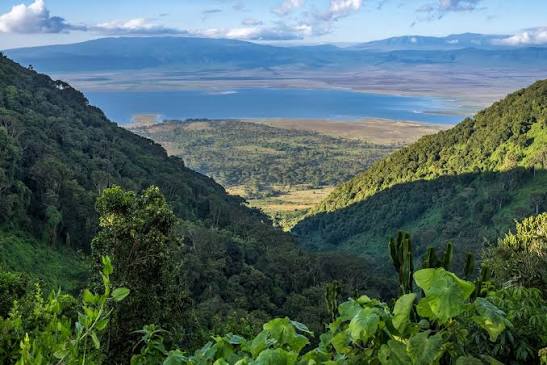
Experience the remarkable beauty and wildlife of northern Tanzania on this 3-day Ngorongoro Crater safari. Explore the spectacular Ngorongoro Conservation Area, home to the world-famous Ngorongoro Crater, one of Africa’s most extraordinary wildlife destinations. The crater’s diverse habitats support a remarkable concentration of wildlife, including the Big Five — lion, elephant, buffalo, leopard and black rhino.
Your safari combines scenic landscapes, unforgettable game viewing and opportunities to discover the area’s rich natural and cultural heritage. Depending on the itinerary, you can experience a crater game drive, visit attractions such as Olduvai Gorge, and encounter the Maasai communities that have traditionally lived alongside wildlife in the conservation area.
From the dramatic crater rim to the wildlife-rich floor below, this 3-day adventure offers an unforgettable taste of Tanzania’s famous Northern Safari Circuit.
Highlights
- Enjoy the landscapes and natural beauty surrounding Ngorongoro.
- Experience the cultural heritage of communities living within the Ngorongoro Conservation Area.
- Discover one of the world's most important archaeological sites connected to human evolution.
- Descend into the world's largest intact volcanic caldera and explore its spectacular landscapes.
- Explore the crater with an experienced safari guide.
- Capture breathtaking views from the crater rim and unforgettable wildlife scenes.
Itinerary
Attractions Ngorongoro Crater Safari Park
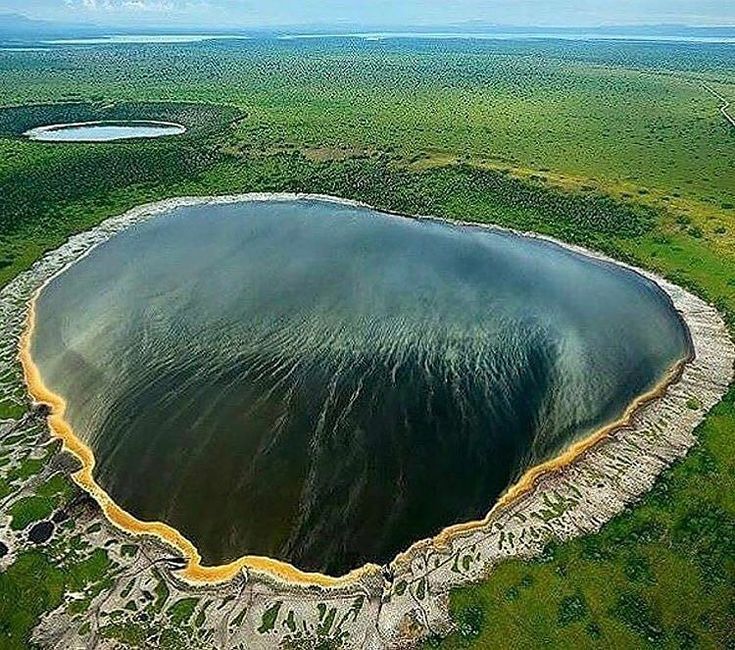
Lake Magadi: There are so many memorable places to visit on nature vacation in Tanzania. Within the Ngorongoro Crater itself, Lake Magadi, shallow, azure blue, fiercely alkaline from sodium carbonate, is fringed by hundreds of long-legged pink flamingos. Most are lesser flamingos, distinguished by their dark red bills, which eat blue-green spirulina algae.
But there are also many greater flamingos with black-tipped pink bills, slightly bent to facilitate sifting shellfish from the rich bottom mud. The lake shrinks noticeably in the dry season, leaving thick, crystalline salt pans used as licks by jackals, hyenas, and other animals to supplement their diet. Outside the Ngorongoro Crater, but still within the Ngorongoro Conservation Area, are many other regions well worth visiting on your African Mecca expedition tour of Tanzania.
Lerai Fever Tree Forest: The Lerai Fever Tree Forest, which consists of tall, slim yellow barked acacias forming an airy, lace-canopied wonderland of glades, is much frequented by elephant, rhino, eland, bushbuck, hyrax, and hundreds of birds. This foliage is the preferred food of the rare, black rhinoceros, but the old forest is regenerating slowly, because of damage by elephants, which tear off whole branches rather than merely grazing.
Gorigor Swamps: Seedlings are spreading through the Gorigor Swamps, home to hippopotamus and wading birds, and the favored drinking place of thousands of ungulates during the dry season. A younger Fever Tree forest is now forming new groves at the base of the Ngoitokitok Springs, the home ground of the famous Tokitok pride of lions, film, and television personalities in their own right.
Olduvai Gorge and Laetoli Ngorongoro Safari: Lake Ndutu and Lake Maseko are also on the migratory route in the Rift Valley, not far from Olduvai Gorge, where the ancestors of mankind began the journey towards civilization, with the fabrication of the earliest tools and the building of the first human settlements. At Laetoli, hominid footprints of our genetic ancestors and their relatives, have been found in sedimentary rock 3.7 million years old.
Shifting Sands: Ash from Ol Dionyo has formed Shifting Sands – a black dune of moving sand a hundred meters in length, and nine meters high, which ingeniously moves slowly across the plains at a rate of 15 meters every year.
Olmoti Crater and Empakaai Crater: You can take gentle, guided walks to two other nearby craters. Olmoti Crater is a shallow, grassy hollow, very quiet and lovely, where Maasai pasture their cattle alongside eland, bushbuck, reedbuck, and an occasional buffalo. Empakaai Crater is half-filled by an unusually deep soda lake.
Nasera Rock: Rising 80 meters from the foot of the Gol Mountains, monolithic Nasera Rock is home to mountaineering klipspringers, baboons, and varied birds.
Salei Plains and Ol Karien Gorge: Ol Karien Gorge is a sheer rock-sided ravine at the end of the vast, bare Salei Plains. It is a Mecca for twitchers, because rappel’s griffon vulture breeds there in March and April.
Oldeani Mountain: To the southwest of Ngorongoro crater, bamboo-clad Oldeani Mountain feeds the stream that supports the Lerai Forest.
Hadzabe Tribe: Lake Eyasi, close to Ngorongoro is still home to the Hadzabe Bushmen of East Africa who subsists entirely from the wild, communicating by clicks and whistles.
Ol Doinyo Lengai & Lake Natron: Known to Maasai as “The Mountain of God”, Ol Doinyo Lengai is still active, last erupting in 2007. Lake Natron, far below, provides a toxic, protective moat for Africa’s largest concentration of breeding flamingos.
First day of your Ngorongoro Safari safari you leave Arusha town as early as 07.00 – 08.00 AM and drive through the Masai Steppe and pass Lake Manyara area in the Rift valley; drive up the escapement and across the Karatu area to the Loduare Gate of On Ngorongoro Crater Conservation Area. After a short stop at the gate for registration we drive up to the Viewpoint where we make a brief stop to get some of the most breathtaking views over the Crater floor and take some photos.
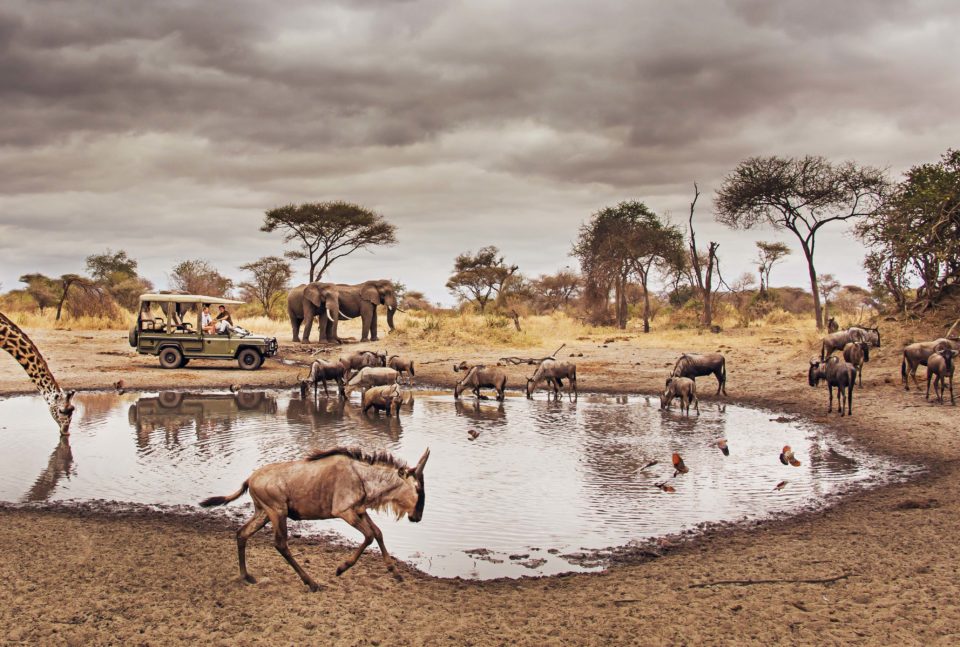
We then descend into the Ngorongoro Crater floor for game drives for the rest of the day. Picnic lunch will be served at the picnic site by the hippo poolside then continue with game drives later in the afternoon we drive up the Crater rim and out to Karatu for overnight at a lodge. Ngorongoro Crater Safari Park, Lunch, and dinner included.
After breakfast, you will descend into the Ngorongoro Crater also often referred to as the “Eden of Africa”. The largest unbroken caldera in the world; the Ngorongoro Crater is unparalleled in terms of wildlife concentration. Your drive will be in constant contact with other drivers to locate the best sightings of animals and with a little luck, you will be able to spot the big 5 inside the Crater. Lunch will be served at the picnic site and late in the afternoon we will drive back to the Crater rim and drive to your lodge at Karatu; a lodge-like!
On this day after a leisurely breakfast at the lodge, you will choose between visiting a Masai Village and going for a nature walk in the forests of Ngorongoro (at a small extra fee). Guided by an armed ranger you will walk in the forest trails and if lucky you might bump into herds of buffaloes, and elephants as well as other forest species like the duikers, also lion leopards, etc.
After the activities, you will drive back to Arusha town with a brief stop at Karatu and Mto Wa Mbu market towns where you may mingle with the locals and do some shopping if you so wish. End of the 03 days Safari in Ngorongoro Crater. Thank you for choosing Afritrek Safaris
Inclusions
- • Accommodation as per the itinerary.
- • Transport in a 4 X 4 Safari vehicle with a pop-up roof.
- • Meals on a full board basis while on Ngorongoro Crater Tanzania Safari.
- • All park entrance fee.
- • All Government Taxes.
Exclusions
- • Drinks and beverages.
- • Deviation from the above program.
- • Items of personal use.
- • Visa, Tips, and porter-age.
Important Information
Best Time to Visit
Ngorongoro can be visited throughout the year. Wildlife viewing is generally excellent because of the crater’s rich habitats and resident wildlife.
What to Pack
We recommend bringing:
- Lightweight, comfortable clothing
- A warm jacket or sweater for the cool crater highlands
- Comfortable walking shoes
- Hat and sunglasses
- Sunscreen
- Binoculars
- Camera and extra batteries/power bank
- Personal toiletries and medication
- Reusable water bottle
Wildlife Sightings
Wildlife sightings cannot be guaranteed because animals move freely in their natural environment. However, Ngorongoro is renowned for its high concentration of wildlife and is one of Tanzania’s best locations for Big Five viewing.
Weather
Temperatures can vary considerably between the crater rim and the crater floor. Mornings and evenings can be particularly cool, so warm layers are recommended.
Conservation
Ngorongoro is a protected conservation area where wildlife and local communities coexist. Visitors are expected to respect wildlife, conservation rules and local communities throughout the safari.
Frequently Asked Questions
The exact inclusions depend on your selected package, but safari packages commonly include accommodation, meals, transportation in a 4×4 safari vehicle, professional guide services, park/conservation fees and crater-related fees.
The safari can typically start and end in Arusha, although airport transfers or alternative pick-up and drop-off arrangements can be organised depending on your travel plans.
Yes. Ngorongoro can be an excellent family safari destination, especially for families interested in wildlife, nature and photography. Your safari operator can also help tailor the pace and accommodation to your family's needs.
Yes. The Ngorongoro Conservation Area is open for tourism throughout the year, with different seasons offering different experiences.
Yes. The 3-day itinerary can often be customised with different accommodation options, activities, pick-up locations and additional destinations such as Serengeti, Tarangire or Lake Manyara.
Yes. You can extend your trip to include other destinations in Tanzania, particularly Serengeti National Park, Tarangire National Park or Lake Manyara.