Discover Uganda through an unforgettable birding adventure across some of the country’s most rewarding bird habitats. This safari takes you from the papyrus wetlands of Mabamba Swamp to the vast savannahs and Nile landscapes of Murchison Falls National Park, the tropical forests of Kibale, the unique Congo-Guinea forests of Semuliki, and the diverse ecosystems of Queen Elizabeth National Park.
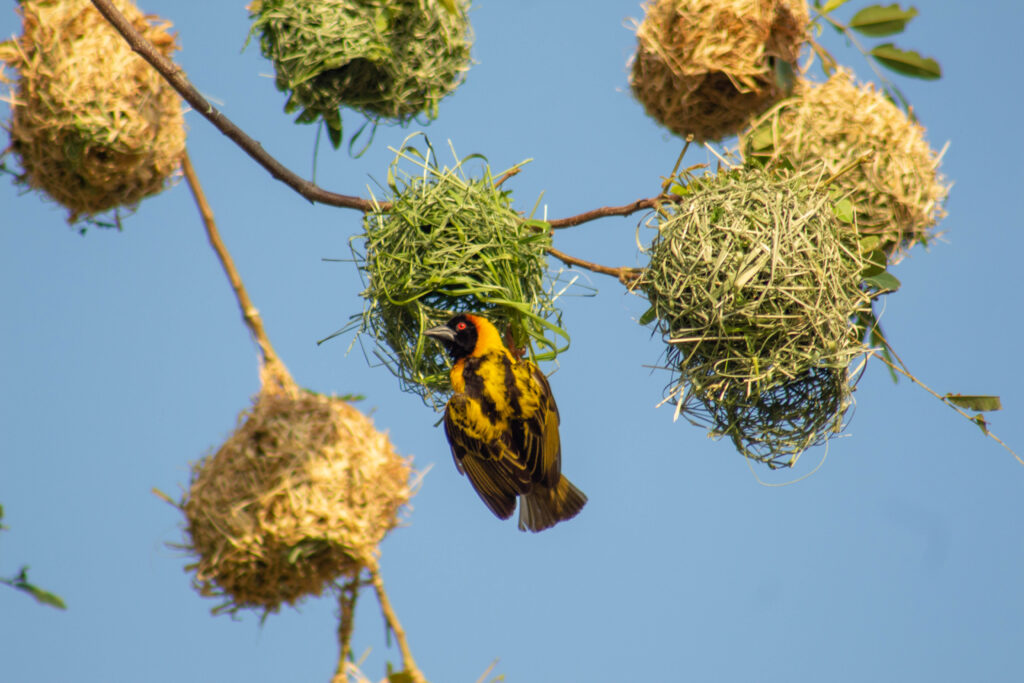
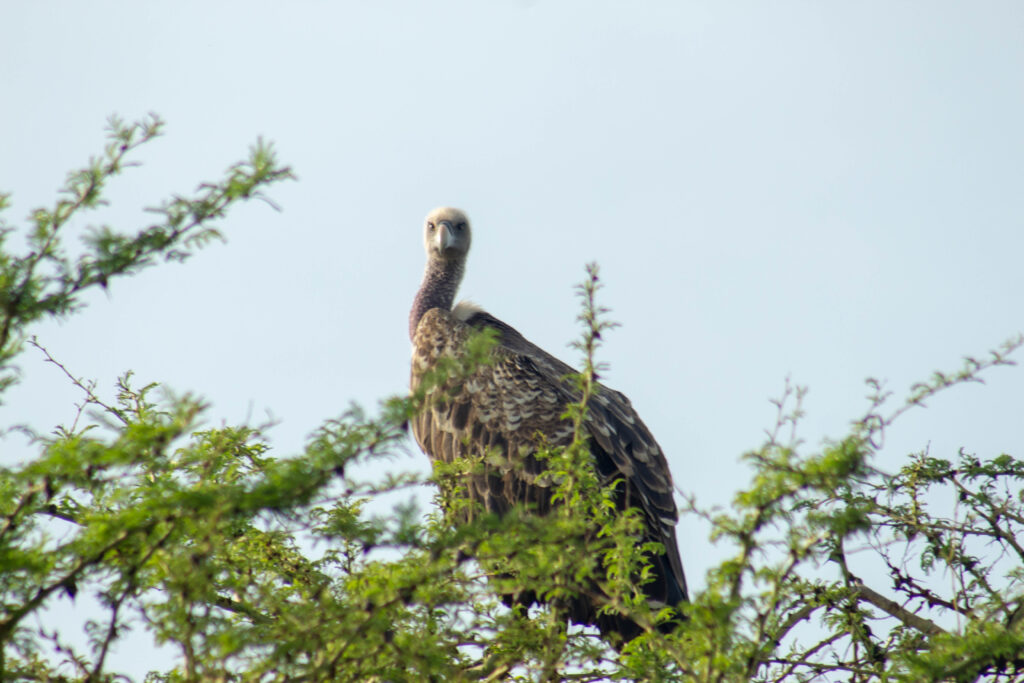
The journey offers opportunities to encounter rare and spectacular species, including the sought-after Shoebill, colourful turacos, hornbills, kingfishers, bee-eaters, raptors, waterbirds and forest specialists.
Beyond birdwatching, the safari combines spectacular landscapes, wildlife encounters, forests, wetlands, rivers and opportunities to experience Uganda’s natural beauty.
Highlights
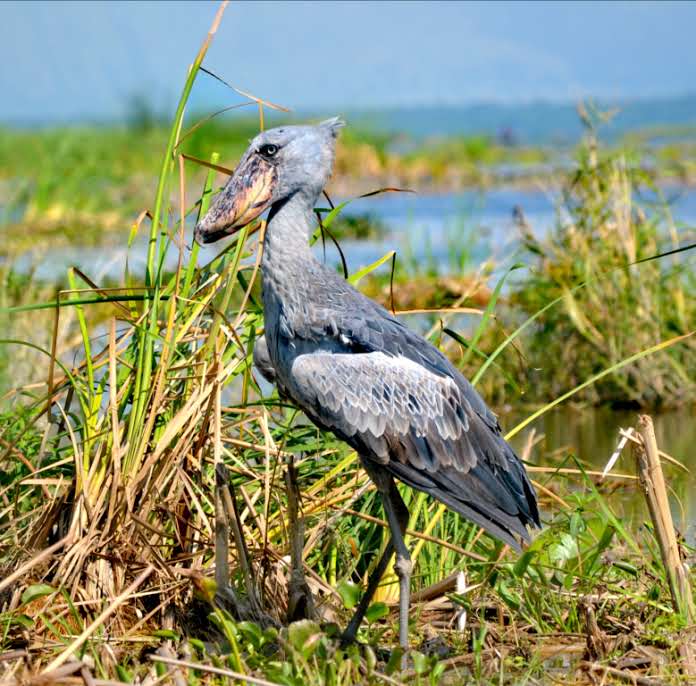
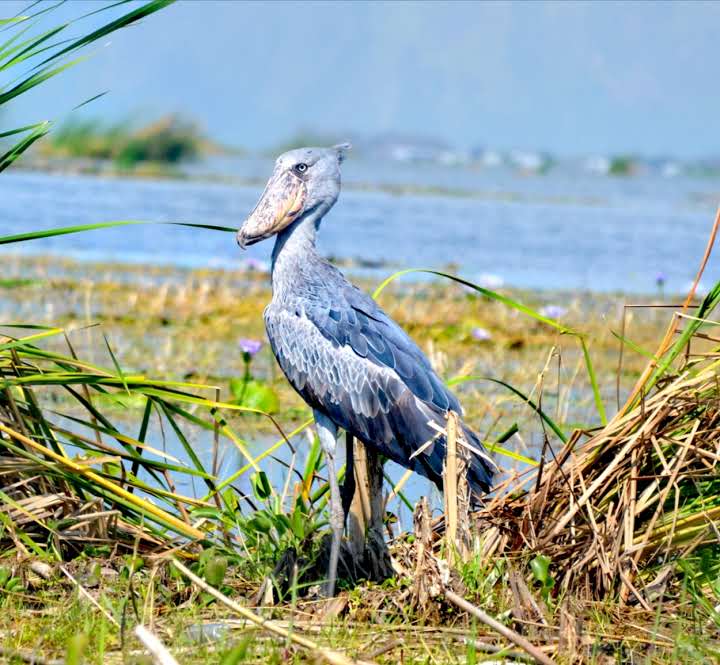
- Mabamba Swamp – Shoebill Experience
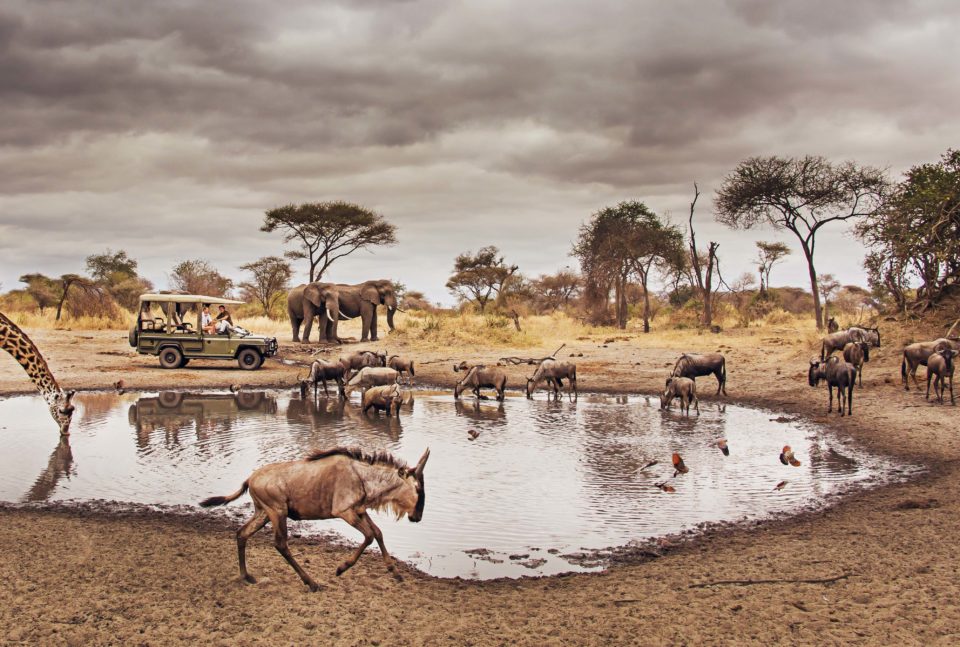
- Combine birding with game drives and a boat cruise along the Nile for a varied wildlife experience at Murchison Falls National Park
- Kibale offers a completely different birding environment, with dense tropical forest and wetland habitats.
- Explore one of Uganda's most distinctive forest habitats and search for species rarely encountered elsewhere in East Africa.
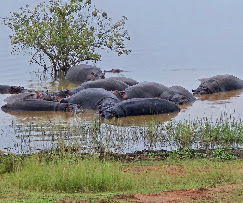
- Enjoy birding along the Kazinga Channel while also watching hippos, crocodiles and other wildlife along the water.
Itinerary
After an early breakfast, we drive to Mabamba Swamp Wetland in Kasanje for our Birding Experience in
Uganda which is located on the fringes of Lake Victoria – 2nd biggest freshwater body in the
world. The drive can take about an hour or more depending on the Uganda birding Safari
engagement en route which leads to several stopovers. In Mabamba swamp, you will take a
motorized canoe with the area site guide in search of the incredible Shoebill which is often seen
standing in the mashes waiting to hunt or flying in the air above the papyrus plants.
There is also another variety of water birds like; African Jacana, White-winged Terns, African
Purple Swamphen, Purple Heron, Blue-breasted Bee-eater, Pied Kingfisher, Malachite
Kingfisher, Winding Cisticola, Red-billed Fire-finch, White-faced whistling duck, Long-toed
Lapwing, African Pied Wagtail, Saddle-billed Stork, Cape wagtail, Fan-tailed Widowbird,
Yellow-billed Duck Long-toed plover, African Fish Eagle and African Marsh Harrier, Swamp
Flycatcher, etc.
We have an early morning breakfast and then go birding first while on the boat and later while in the car on a game drive. Spend the morning
birding on the boat towards the Delta. Some of the birds we aim for in this area include; the
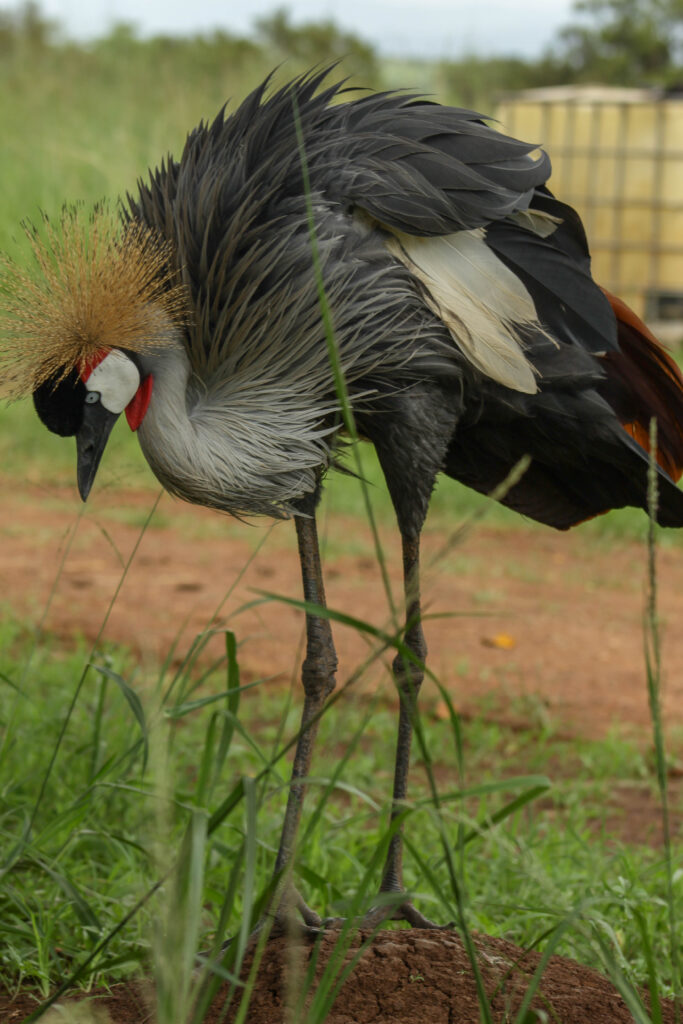
Shoebill, Great White and Pink-backed Pelicans, African Water Rail, Allen‘s Gallinule, Black
Crake, African Crake, Grey-crowned Crane, Southern Pochard, The Egyptian, African Pygmy,
and the Spur-winged Goose, Saddle-billed stork, Open-billed stork, Yellow-billed stor kand
Marabou stork. More birds include; the Little and Dwarf Bitterns, Night Heron, Black Heron,
Goliath Heron, Purple Heron, Green Backed Heron, Little Grebe, Common Squacco Heron,
Great White Egret, Great and Long-tailed Cormorants, African and Eurasian Spoonbills, the
Lesser Flamingo, Lesser Jacana, African Finfoot, Painted Snipe, Wattled Plover. After the
experience on the boat, you transfer to the car and bird in the Savannah in search of; Secretary
Bird, Northern Carmine and Red-throated Bee-eaters, Giant, Pied, Stripped, Chestnut-bellied,
Blue-breasted, Woodland, and the African Pygmy Kingfishers, African Rock Martin; Lesser
Stripped, Ethiopian, Angola, Red-rumped and Rufous-chested Swallow, Nightingale, Rock
Thrush, Pied Wheatear, Whinchat, White-fronted Black Chat, Sooty Chat. Common Bulbul,
Cameroon Sombre and Yellow-throated Greenbul, the Black, White-breasted, and Red
shouldered Cuckoo Shrikes, the Black and Penduline Tits, Black-lored, and Brown Babblers,
Nubian Woodpecker, Cardinal Woodpecker, Brown-backed Woodpecker, Lesser Honeyguide,
Scaly-throated Honeyguide, and many more.
Today morning after breakfast, we transfer to Kibale forest with a stopover birding the Butiaba Escarpment for
some birds of interest. Look out for; Beautiful sunbird, Black-billed Barbet, Grey-winged
Pythilia, Buff-bellied Warbler, Northern Crombec, Cinnamon-breasted Warbler, Whinchat,
Flappet Lark, Little weaver, Tawny-flanked Prinia, Lesser blue-eared Starling, Chestnut
crowned Sparrow Weaver, Marsh Tchagra, Copper Sunbird, Green-backed Eremomela, Long
crested eagle, Foxy Cisticola, etc. Kibale forest is home to 13 primate species with the highlight
being the chimpanzees which are easily seen while on chimp trekking.
We will have an early morning
breakfast and leave the lodge with our packed lunch so that we have maximum time in the forest.
Our morning focus while birding will be to search for the elusive Green breasted pitta. This
sought-after bird can also be rather difficult to sight in the forest but with the guidance of the site
guide and rangers, we hope to increase our chances of sighting the Green-breasted Pitta. In the
meantime, as we search for the Green-breasted Pitta we shall continue birding and equally search
for many other bird species which include the Western bronze-napped Pigeon, Great blue
Turaco, Yellow-throated Nicator, White-headed Wood hoopoe, Red Headed malimbe, Yellow
spotted barbet, Dusky-blue Flycatcher, Grey-winged Robin, Blue shouldered Robin-Chat,
Yellow-spotted Barbet, White-naped Pigeon, Green-breasted Pitta, Red-chested Flufftail, African
Pitta, Joyful Greenbul, Cabanis Greenbul, Grey-throated Flycatcher, Masked Apalis, Nahan‘s
Francolin, Tiny Sunbird, White-collared Olive back and many more.
Today after breakfast we bird our way to Semuliki
national park for an experience searching for central African species found only here in East
Africa. We shall have several stopovers birding nearby forest patches and swampy areas for
different bird species. We shall spend the day birding in the Semuliki forest for central African
species of Congo‘s Ituri forest. Semuliki forest is a continuation of Congo‘s Ituri forest. You
have an opportunity of visiting both the ‗female‘ and ‗male‘ hot springs found within the park.
Some of the species we will look out for include the; Congo Serpent Eagle, Grey-throated Rail,
Nkulengu Rail, Long-tailed Hawk, Spot-breasted Ibis, Yellow-throated Nicator, Northern
Redchested Owlet, Western Bronze-naped Pigeon, Black-collared Lovebird, White-bellied
Kingfisher, Red-rumped Tinkerbird, Lyre-tailed Honeyguide, Zenker‘s Honeyguide,
Whitethroated Blue Swallow, Bate‘s Nightjar, Yellow-throated Cuckoo, Orange-tufted Sunbird,
Blackwinged Oriole, Lemon-bellied Crombec, Rufous-sided Broadbill, Icterine Greenbul,
Swamp Palm Bulbul, Crested and Blue-billed Malimbes, Fiery-breasted Bush-shrike, Pale
fronted Negrofinch, Piping, Red-billedWhite-crested, Black-casqued, Wattled, and White
thighed Hornbills.
Today after an early breakfast we start the trip to Queen Elizabeth national park birding along the way. You will have stopovers for
both birding and photography moments of the beautiful scenery in this part of the country. Drive
past several crater lakes, homesteads, and farms and later with the Rwenzori mountains ahead as
you drive. The road through these crater lakes regions is not tarred therefore sometimes it is very
difficult during the rainy season. Because you will be having several stopovers for pictures and
birding Safari, you can expect to arrive at your lodge later that afternoon.
Today we will bird the Mweya Peninsular and Kasenyi area where most of the game
drives happen and end with a boat safari on the Kazinga channel in the afternoon. Look out for;
African Skimmers, Malachite Kingfishers, White-winged Terns, Swamp Flycatcher, Grey
capped Warbler, Grey-headed Kingfisher, African Jacana, Pin-tailed Whydah, Martial Eagle,
Gabon Nightjars, and many more
After early morning breakfast, we shall start our game drive in the Ishasha
sector best commonly known for tree-climbing lions and a variety of birds then transfer to
Bwindi impenetrable national park. You might have the opportunity to sight birds you could
have missed the previous day. After a short game drive you proceed to Bwindi Impenetrable
National Park.
Today after an early breakfast, we get back into the forest for
birding taking different trails. The site guides usually help with the location of the different
unique birds. Look out for; Stuhlmann‘s Starling, Narrow-tailed Starling, Waller‘s Starling,
Montane Oriole, African Golden Oriole, African Green Broadbill, Oriole Finch, Mountain
Buzzard, Ayre‘s Hawk Eagle, Handsome Francolin, and many more. Then after lunch, we shall
transfer to Volcanoes national park.
After your morning breakfast, you will start your journey
back to Entebbe. You will cross the equator and experience the Northern and Southern
Hemisphere at the same time. Buy a few souvenirs in the craft shops and have a quick picnic
lunch before departing for the Airport.
Trip Inclusions
- Accommodation and full board basis
- Park Entrance Fees
- Internal local flights
- Sightseeing with private guide as per the itinerary
- Transfers as detailed
Exclusions
- Drinks
- Gratuities
- International Flights
- Travel Insurance
- Visa
More Info
Best Time for the Birding Safari
Birding is possible throughout the year because Uganda has a large resident bird population. However, November to April is particularly attractive for birders interested in migratory species, while generally drier periods can make roads and trails easier to navigate.
Daily Birding
Birding usually begins early in the morning when bird activity is high. Depending on the itinerary, birding can include:
- Early morning forest walks
- Wetland excursions
- Boat trips
- Game-drive birding
- Nature walks
- Afternoon/evening birding sessions
What to Pack
- Binoculars
- Camera and extra batteries
- Bird field guide or birding app
- Notebook/checklist
- Comfortable walking shoes
- Lightweight, breathable clothing
- Neutral/earth-toned clothing
- Hat and sunglasses
- Rain jacket
- Insect repellent
- Sunscreen
- Reusable water bottle
- Personal medication
- Small backpack
Birding Equipment
A good pair of binoculars is essential. A spotting scope can also be useful for distant waterbirds, particularly around wetlands, lakes and rivers.
Fitness Level
The safari involves some walking and forest trails. A moderate level of fitness is recommended, although the amount of walking can be adjusted depending on the itinerary and individual requirements.
Photography
Bird photography is encouraged, but visitors should maintain a respectful distance and follow the instructions of their guide. Patience is important, especially when looking for shy forest species and the Shoebill.
Professional Birding Guide
A knowledgeable birding guide is highly recommended. Experienced guides can identify birds by both sight and call and help locate species that may otherwise be difficult to find.
Frequently Asked Questions
Uganda offers an exceptional variety of habitats within a relatively compact country, including wetlands, tropical forests, savannahs, lakes and Albertine Rift ecosystems. More than 1,000 bird species have been recorded in Uganda.
Yes. The safari can be enjoyed by both beginners and experienced birders. The itinerary can be adapted depending on your birding experience and target species.
Yes. The destinations offer much more than birding, including wildlife viewing, boat cruises, forests, waterfalls, landscapes and optional primate experiences.
Bring a camera with a suitable telephoto lens, extra batteries and sufficient memory cards. Binoculars are also highly recommended.
Yes. Birding opportunities can be incorporated throughout the safari, including during transfers, game drives, forest walks, wetland excursions and boat cruises.
Yes. The duration, accommodation level, birding intensity and activities can be customized according to your interests, budget and target species.
Yes. Kibale can be combined with an optional chimpanzee experience, while Murchison Falls and Queen Elizabeth offer excellent opportunities to combine birding with traditional wildlife viewing.
Yes. Uganda offers year-round birding, although different seasons provide different advantages. Resident species can be found throughout the year, while migratory species add extra diversity during the November–April period.