Uganda sits on the equator, so it doesn’t have extreme seasons — but rainfall patterns still shape when wildlife viewing, gorilla trekking, and birding are at their best. Here’s how to time your trip.
Dry Seasons: June–September and December–February
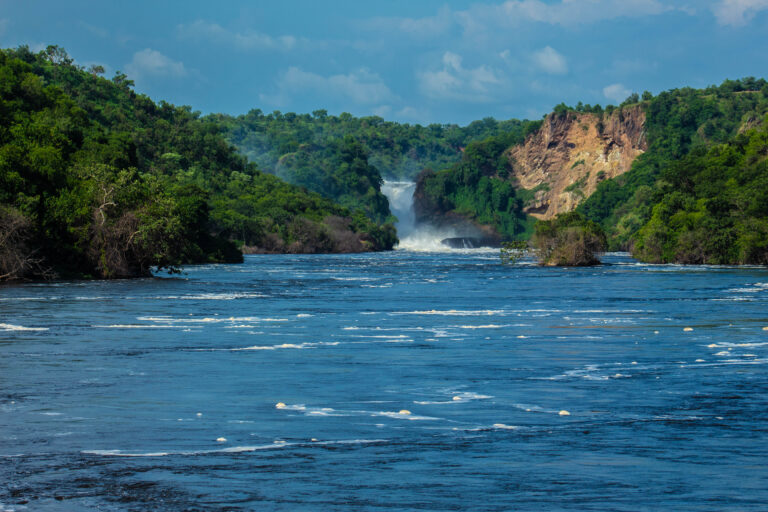
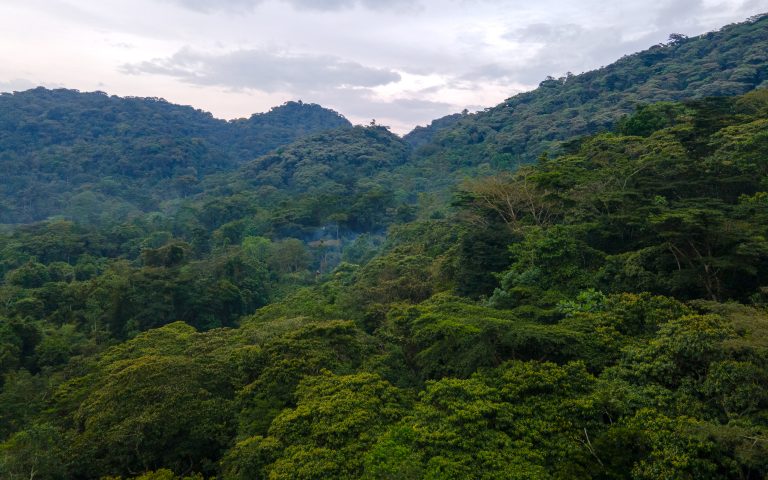
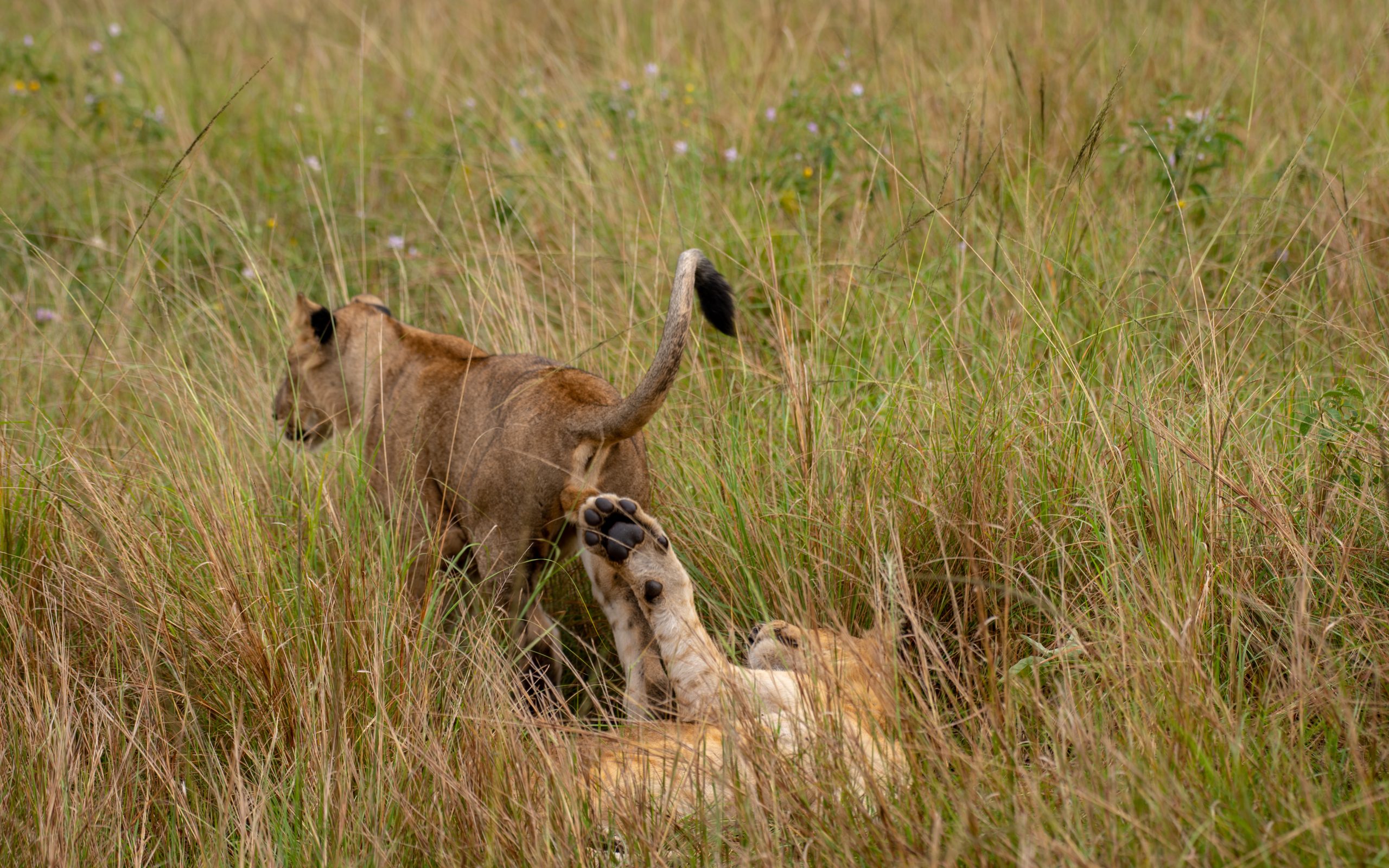
These are Uganda’s peak travel windows. Trails in Bwindi and Mgahinga are firmer and easier to hike, game drives in parks like Queen Elizabeth and Murchison Falls are more productive as animals gather near water sources, and roads are generally in better condition.
- June–September: The longer and more popular dry season, coinciding with Northern Hemisphere summer holidays. Expect higher demand for gorilla permits and lodges.
- December–February: A shorter dry spell, slightly quieter than mid-year, with excellent game viewing and pleasant temperatures.
Wet Seasons: March–May and October–November
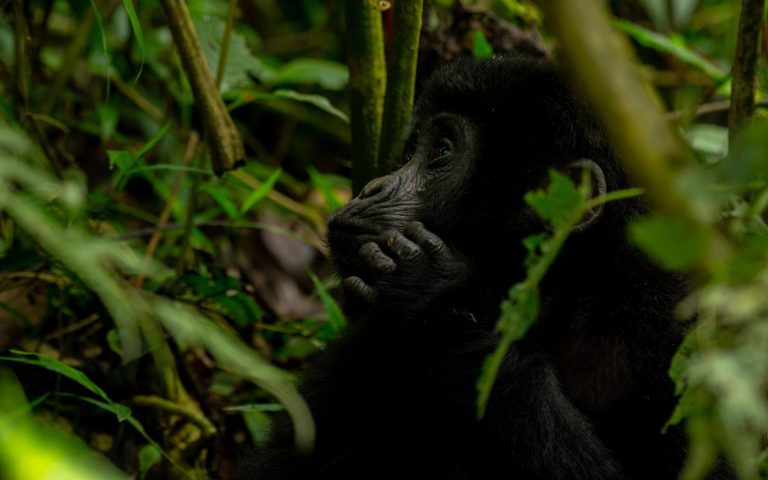
Rain doesn’t mean a ruined trip — it means fewer crowds, lush scenery, lower lodge rates, and some of the best birdwatching of the year as migratory species arrive. Gorilla trekking is still possible, just muddier and more physically demanding.
Seasonal Highlights
- Chimpanzee tracking in Kibale Forest is rewarding year-round, though trails are easier in dry months.
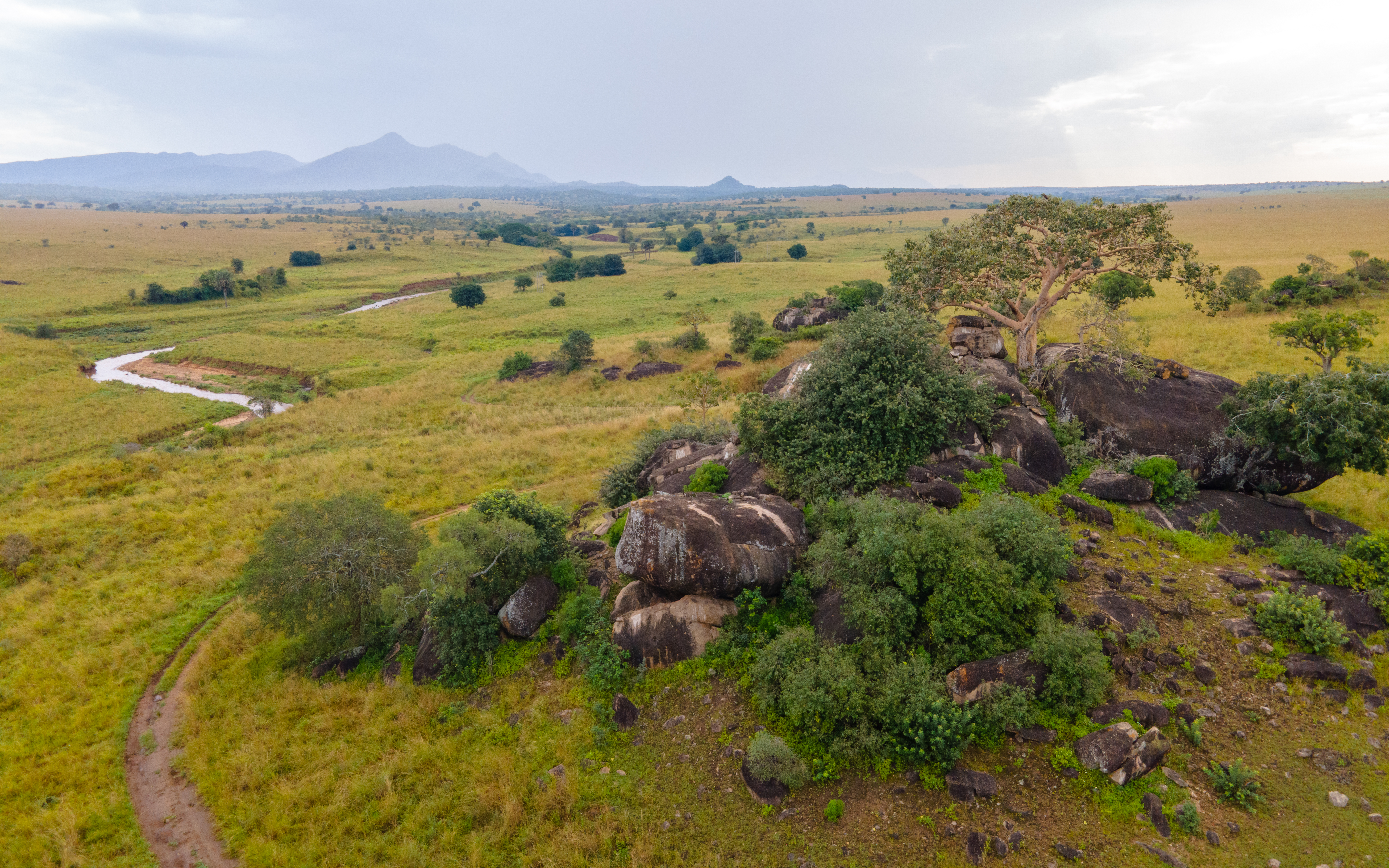
- Kidepo Valley National Park, Uganda’s most remote gem, is best visited December–March.
- Birding enthusiasts should aim for November–April when Palearctic migrants boost species counts significantly.
Our Recommendation
If your priority is guaranteed gorilla permits and the smoothest hiking conditions, plan for July–September. If you want a quieter, more budget-friendly experience with equally rich wildlife, the shoulder months of March–May and October–November are excellent alternatives.
Not sure which season fits your travel dates and budget? Talk to Afritrek Safaris — we’ll help you build an itinerary around the best conditions for what you want to see.